Keynotes
Eyes Wide Open: A Decade of Gaze-Guided Medical Intelligence
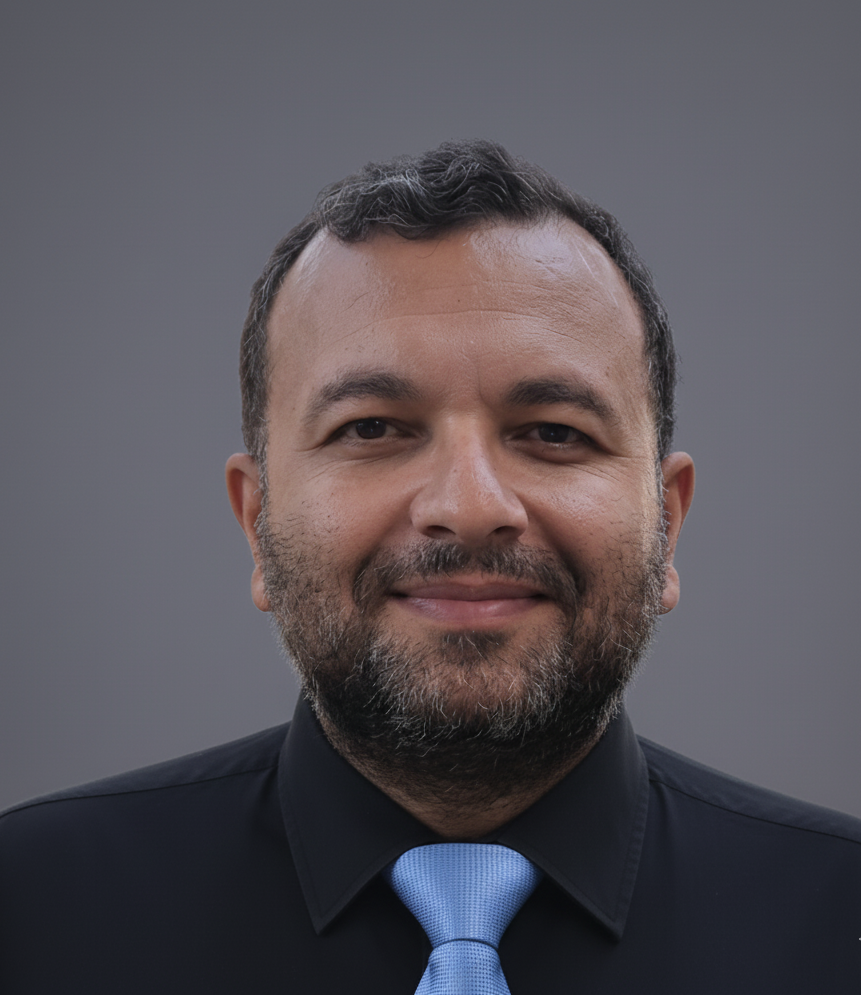
Ulas Bagci
Director of Machine and Hybrid Intelligence Lab, Northwestern University
Tenured Faculty at Northwestern University's Radiology, BME, and ECE Departments
Prof. Ulas Bagci is the director of the Machine and Hybrid Intelligence Lab and a tenured faculty member at Northwestern University's Radiology, Biomedical Engineering (BME), and Electrical and Computer Engineering (ECE) departments. His research interests are artificial intelligence, machine learning, and their applications in biomedical and clinical imaging. Dr. Bagci has authored more than 400 peer-reviewed articles on these topics.
Dr. Bagci holds several NIH grants as Principal Investigator and serves as a steering committee member of AIR (Artificial Intelligence Resource) at the NIH. He has served as an area chair for MICCAI for several years and is an associate editor of top medical AI journals including IEEE Transactions on Medical Imaging and Medical Image Analysis. He teaches medical image computing and advanced machine learning courses and has received several international and national recognitions including best paper awards, best reviewer awards, editorial recognitions, and outstanding researcher and mentor awards.
Every diagnostic decision begins with where a clinician's eyes land — yet for decades, this rich cognitive signal has been discarded. In this talk, I trace a ten-year arc of research transforming radiologist gaze from passive behavioral data into an active computational signal that fundamentally reshapes how AI systems learn, segment, and diagnose.
Beginning with Gaze2Segment (2016) and C-CAD (2019), which first demonstrated that fixation patterns encode expert knowledge transferable to deep networks, I show how this idea matured through GazeSAM and GazeGNN (2023–2024) into real-time, registration-free integration with foundation models — eliminating the preprocessing bottleneck that long prevented clinical deployment.
I then present our latest systems — EyeSee, GazeMind, EyeTune, and GazeAssist (2025–2026) — which close the loop entirely: AI no longer just consumes gaze but predicts, validates, and augments it, creating a bidirectional human-AI cognitive partnership.
Across several systems we developed, one principle endures: the most powerful signal in medical AI was never in the pixels — it was in the eyes reading them.
Eye Tracking in Social Context: Tracking the Impact of Co-Presence on Gaze Dynamics
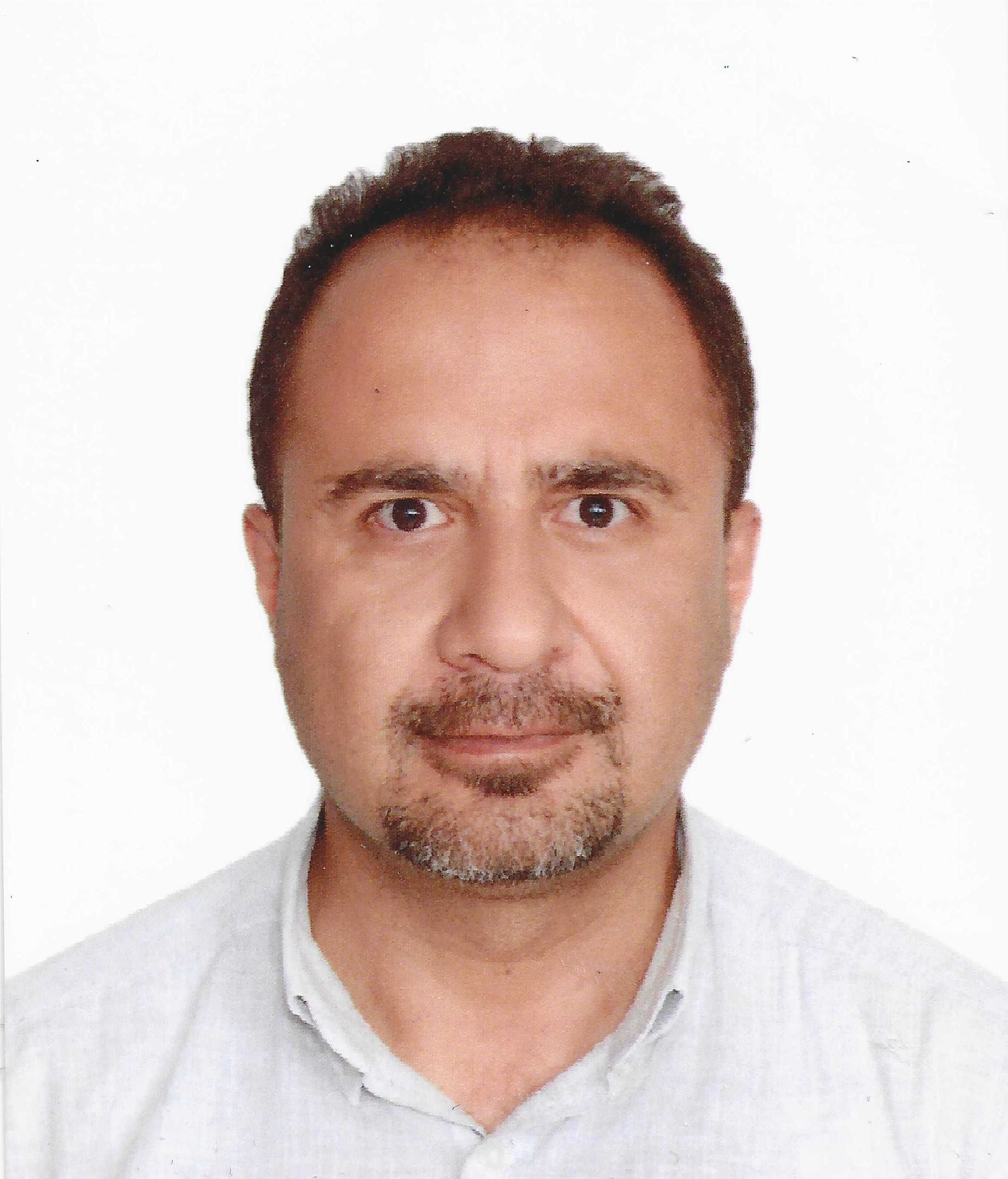
Cengiz Acarturk
Centre for Cognitive Science, Multimodal Integration and Interaction Lab, Jagiellonian University, Poland
Dr. Cengiz Acarturk has an interdisciplinary background, holding a Ph.D. in Computer Science, and habilitation in Psychology. His primary research areas encompass Cognitive Science and Human-Centered Computing, with a specific methodological focus on eye tracking and brain imaging. Dr. Acarturk has an extensive record of leading funded research, serving as Principal Investigator on projects supported by national and international funding agencies. His current work in eye tracking aims to bridge intelligent systems, linguistics, and cognitive science.
Individual eye movements inform our understanding of perceptual and cognitive processes. However, studying visual perception in isolation only partially captures gaze dynamics, especially socially situated perception. This talk introduces our current research on the impact of social context on visual attention through the lens of the social presence effect. Employing dual eye-tracking paradigms, we investigate how co-presence shapes gaze behavior and performance across varying task complexities and spatial fields. By moving beyond solitary paradigms, this talk aims to demonstrate how interpersonal gaze research provides an empirical foundation for understanding the interaction between social presence and task difficulty, offering grounded implications for the future of collaborative learning and human interaction.